
Energy, International, Sustainability

Global Potential for Wind-generated Electricity

Tags: , , ,

power-wind-1

By 2030 electric usage in the United States is projected to grow by more than 30%. Fossil fuels and nuclear power currently produce the lion’s share of our electricity, but in a carbon-constrained world, renewables will have a greater role to play.

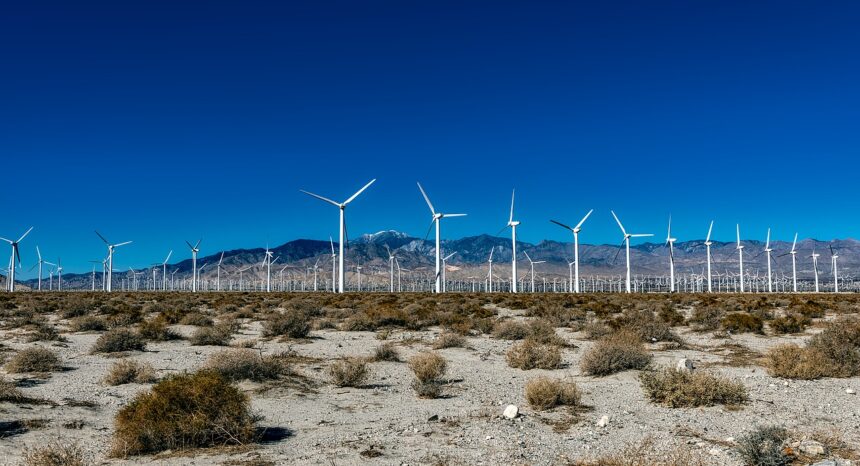
A 2009 study by Harvard University and Finland’s VTT Technical Research Centre, “Global Potential for Wind-Generated Electricity,” indicates that considerable potential exists for the growth of wind power. Researchers used data from NASA and built their analysis on conservative assumptions. They conclude that:

  • Wind could supply more than 40 times current worldwide consumption of electricity, and more than five times total global use of energy in all forms.
  • In the contiguous United States, wind has the potential to supply as much as 16 times total current domestic electrical demand.
  • When required, new power transmission lines add appropriately 10% to a project’s cost, and consequently are not prohibitive.
  • Wind-energy potential falls below demand only during the summer months, when winds decrease and electrical use rises.

Tags: carbon, global warming, greenhouse gases, renewable energy, infrastructure


By | December 22, 2009

Note to instructor: The suggested assignments are designed for flexibility. They can be used in whole or part and can be adapted to a particular task — for example, the newswriting assignments could be applied to the writing of the headline, the lead, the nut graph or the full story. Material from the assignments could also be combined with other material, for example, in the writing of a background, feature or local-angle story.

Analysis assignments

Read the Harvard and VTT Technical Research Centre study titled "Global Potential for Wind-Generated Electricity."

  1. Summarize the study in fewer than 40 words.
  2. Express the study's key term(s) in language a lay audience can understand.
  3. Evaluate the study's limitations. (For example: Do the results conflict with those of other reliable studies? Are there weaknesses in the study's data or research design?)

Read the study-related New York Times article titled "Study Suggests Wind Power Potential Is Much Higher Than Current Estimates."

  1. Reporter's use of the study: Evaluate what the reporter chose to include and exclude from the study. Would the audience have acquired a clear understanding of the study's findings and limits from this article?
  2. Reporter's use of other material: Assess the material in the article that is not derived from the study. (For example: Does the reporter place the study in the context of other research and to what effect? Does the reporter include reactions to the study from other researchers or interested parties [e.g., political groups, business leaders, or community members] and are their credentials or possible biases made clear?)

Newswriting assignments

  1. Write a lead (or headline or nut graph) based on the study.
  2. Spend 60 minutes exploring the issue by accessing sources of information other than the study. Write a lead (or headline or nut graph) based on the study but informed by the new information. (Does the new information significantly change what one would write based on the study alone?)
  3. Interview two sources with a stake in or knowledge of the issue. Be prepared to provide them with a short summary of the study in order to get their response to it. Write a 400-word article about the study incorporating material from the interviews.
  4. Spend additional time exploring the issue and then write a 1,200-word background article, focusing on major aspects of the issue.

2 comments

You can follow any responses to this entry through the RSS 2.0 feed. You can leave a response, or trackback from your own site.

Several studies show the PTC a good deal for everyone Feb 5, 2013 17:13

[...] that wind will generate 20% of the nation’s electricity by 2030. Looking farther ahead, a 2009 Harvard study calculated that even under conservative assumptions, a combination of onshore and offshore wind [...]

Congressional Research Service reviews renewable energy in the U.S. Feb 5, 2013 17:15

[...] Wind generated 924 trillion BTUs of energy in 2010. Production changed little from 1989 to 1998, reaching only 31 trillion BTUs. From there it rose sharply, increasing from 70 trillion BTUs in 2001 to 142 in 2004 and 341 in 2007. The total in 2010 is estimated to be 924 trillion BTUs, and the potential is significantly higher. [...]

Leave a comment